|
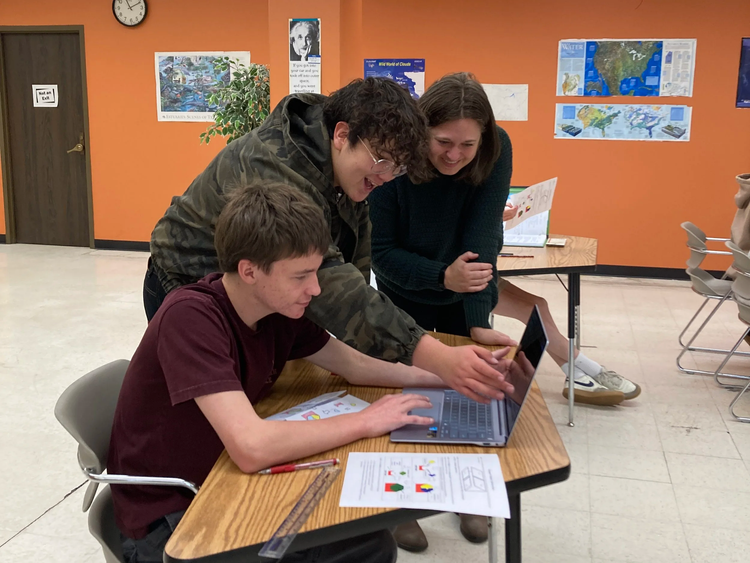
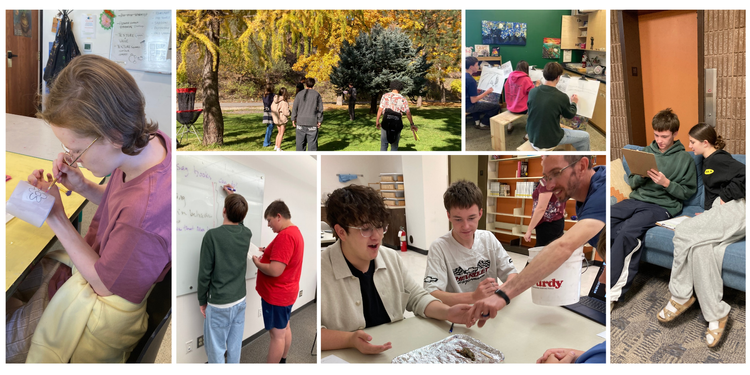
Last week, something magical happened: a student forgot his phone. While it’s true that high school freshmen notoriously leave belongings strewn throughout their orbits, this felt different. It was a phone. A smartphone. You know, the thing we’re all addicted to. But during the day, this kid got busy drafting his persuasive essay and adding color to his invasive species drawing. He helped a friend find edge pieces for the group puzzle and showed off a new card trick during Tea Time. In short, he was too engaged in life to remember to grab the phone on his way home. Wow. Each morning, CFP students slide their phones into assigned drawers, and that’s where they stay. Sometimes kids need to check on a text from a parent or retrieve a photo for art class, but for the most part, school offers a break from their devices. They can think, talk, write, play, and even zone out because they get a six-hour rest from their phones. And instead of complaining, sometimes they forget about them completely! When used intentionally, technology can support the educational experience. From research to writing to digital art, electronics provide students useful tools. But at CFP, we see technology as a tool, not the default learning platform. Teachers think carefully about which assignments require technology, and which ones get the job done with a white board, notebook paper, or colored pencils. Students, too, have a role to play in this intentional approach to tech. To understand the costs and benefits of technology, kids need opportunities to wrestle with the ethical conundrums. Should we use AI to draft a paper? Is it better to create a slick poster in Canva or a homemade one with markers–and what do we even mean when we say “better”? As we humans sort through technology’s messy challenges, the ability to think–both critically and creatively–will lead the way. Clark Fork Prep is committed to giving teens a chance to do both. (Even at the risk of staying open late when a phone inevitably gets left behind!)
|